
Autistic Burnout: Understanding, Recovery, and Renewal
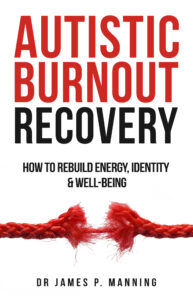
By Dr. James P. Manning, Consultant Clinical Psychologist and Author of Autistic Burnout Recovery: How to Rebuild Energy, Identity & Well-Being
What Is Autistic Burnout?
Autistic burnout is a state of profound mental, emotional, and physical exhaustion that often follows years of masking, sensory overload, and trying to meet neurotypical expectations. Unlike general fatigue or work burnout, autism burnout involves a significant collapse of functioning and a complete depletion of cognitive and emotional reserves. Many autistic adults describe losing access to previous skills, speech, or motivation, accompanied by heightened sensory sensitivity and withdrawal from social life.
This experience is now recognized in both research and lived experience communities as distinct from depression or occupational burnout. According to AASPIRE (Academic Autism Spectrum Partnership in Research and Education), autistic burnout involves three key components: chronic exhaustion, loss of skills, and increased sensitivity to stimuli. Unlike depression, which is marked by sadness and hopelessness, burnout reflects a neurological shutdown designed to protect the system from further stress.
Autistic Burnout vs. Depression
It’s common for clinicians and loved ones to mistake autistic burnout for depression or anxiety. However, while depression affects mood, burnout primarily affects capacity. A person in burnout often does not feel sad, but they do feel unable to function. Everyday tasks such as conversation, decision-making, or even basic self-care can feel impossible. Understanding this distinction is essential, as the path to recovery for autistic burnout requires rest, sensory regulation, and unmasking — not “pushing through” or increasing activity.
Early Warning Signs and Symptoms
- Recognizing early signs of burnout can prevent collapse. Subtle indicators include:
- Increasing sensory sensitivity (light, noise, texture)
- Mental fog or decision fatigue
- Emotional flatness or irritability
- Shutdowns or loss of speech
- Heightened anxiety in social settings
- Withdrawal from friends or family
Many people also report “executive function loss,” where planning, memory, and focus break down. These symptoms often occur gradually after months or years of masking — consciously or unconsciously hiding autistic traits to appear “normal.” Research has shown that chronic masking and camouflaging are among the most significant risk factors for autistic burnout, especially in late-diagnosed adults and autistic women.
Causes and Triggers
- The causes of autism burnout are cumulative. They include:
- Prolonged masking or camouflaging
- Constant sensory and social overload
- Unrealistic self-expectations and perfectionism
- Lack of accommodations at work or school
- Emotional suppression and people-pleasing
- Life transitions (new job, moving, family change)
Over time, the nervous system operates in a continuous state of high alert. The body’s “failsafe” eventually activates — shutting down non-essential functions to preserve life. As Dr. James Manning explains, “When autistic burnout happens, your body and mind are doing exactly what they were designed to do: to protect you.”
Recovery and Renewal
Recovering from autistic burnout means not returning to how things were before. The same coping strategies that caused burnout — overcommitment, masking, and perfectionism — cannot be part of the solution. In Autistic Burnout Recovery, Dr. Manning outlines a step-by-step approach built on compassion, self-awareness, and pacing:
- Rest and Reduce Demands: Create quiet, sensory-safe spaces and allow your body to recover without guilt.
- Unmask Gradually: Begin spending time as your authentic self. Choose relationships and environments where you don’t need to perform.
- Rebuild Identity: Recognize that your worth is not defined by productivity. Rediscover special interests and genuine connections.
- Learn Early Interventions: Track patterns of depletion, recognize triggers, and set boundaries before collapse occurs.
- Reconnect with Your Body: Use interoceptive practices — noticing hunger, fatigue, tension, and emotions — to restore communication between body and mind.
Autistic burnout recovery is not a weekend fix. It unfolds slowly, often in waves. Periods of energy may alternate with exhaustion, but with patience, the nervous system stabilizes. Over time, emotions soften, sensory tolerance improves, and authentic living becomes possible.
Preventing Future Burnout
To prevent future episodes, autistic individuals need environments that reduce chronic stress rather than demand conformity. This includes:
- Predictable routines and schedules
- Clear, direct communication
- Opportunities for solitude
- Sensory accommodations (quiet rooms, dim lighting, noise-canceling tools)
- Compassionate workplaces that value neurodiversity
- Organizations can also use the AASPIRE Autistic Burnout Measure (AABM) to identify early risk factors and guide supportive interventions.
- Supporting Someone in Autistic Burnout
If you’re supporting someone going through autistic burnout, the most important step is understanding rather than fixing. Provide safety, patience, and validation. Encourage rest and authenticity. Avoid giving advice that implies effort or positivity will solve the problem — it won’t. What helps most is removing pressure and allowing recovery at the person’s natural pace.
Moving From Burnout to Thriving
Burnout can become a turning point. As Dr. Manning writes, “Autistic burnout is not a failure; it’s a failsafe.” Once you rebuild your life around authenticity and self-knowledge, you can move toward genuine thriving — not by fitting in, but by creating a life that fits you.
His book, Autistic Burnout Recovery: How to Rebuild Energy, Identity & Well-Being, expands on these principles. It combines neuroscience, lived experience, and therapeutic guidance to help readers:
Understand what’s happening to their brain and body
- Stop blaming themselves for struggling
- Reframe burnout as a protective process
- Design a sustainable life tailored to their needs
Whether you’re autistic yourself, supporting a loved one, or working in mental health, this book offers both clarity and hope.